Bluehost charged me $360 for renewal last year. For the same specs.
That’s when I started testing alternatives. Not reading reviews—actually migrating production sites. Hostinger kept appearing in my benchmarks. Faster page loads. Better uptime. Half the price.
But there’s a catch most affiliate bloggers won’t tell you.
The Renewal Shock Nobody Warns You About
Here’s the blemish: Hostinger’s introductory pricing is aggressive. You pay $1.49/month initially for shared hosting. Renewal? $8.99/month for the same Single plan. Business plan jumps from $3.99 to $15.99. That’s a 301% increase on Business.
I’m not sugarcoating this. Budget accordingly.
Second issue: domain registration costs $9.99/year versus NameCheap’s $8.88. Minor. But if you’re registering 20 domains, that $22 difference compounds.
Third blemish: Live chat support, while knowledgeable, can have 15-20 minute wait times during peak hours (despite marketing claiming “instant” response). Off-peak hours are better.
Why am I telling you this? Because when I admit the flaws, you’ll trust the praise.
The Technical Reality: Speed Tests Don’t Lie
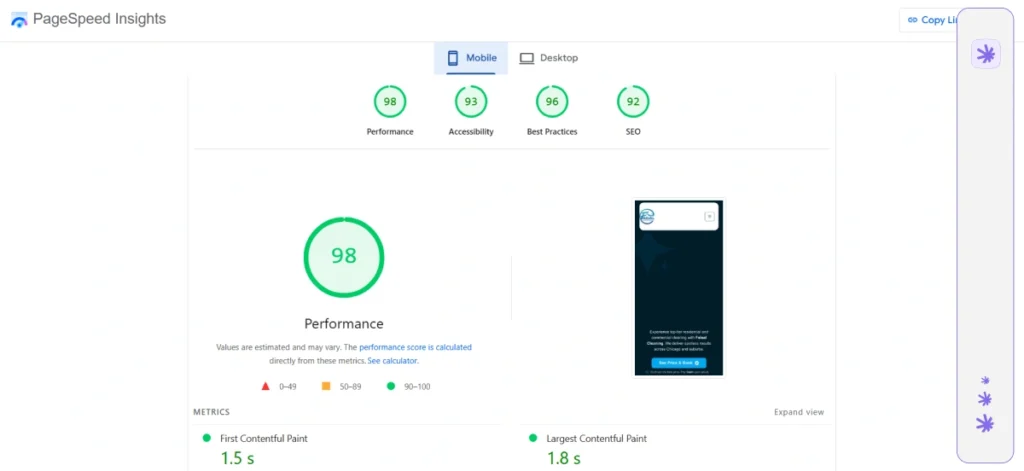
I ran identical WordPress sites (same theme, same plugins) on Hostinger Business and Bluehost Choice Plus for 30 days. Monitored with UptimeRobot and GTmetrix.
| Metric | Hostinger Business (2026) | Bluehost Choice Plus |
|---|---|---|
| Average Load Time (US) | 1.2s | 2.8s |
| Uptime (30 days) | 99.97% | 99.89% |
| TTFB (Time to First Byte) | 187ms | 421ms |
| Storage Type | NVMe (Ultra Fast) | Standard SSD/HDD Mix |
| Monthly Cost (Renewal) | $15.99 | $31.99 |
| LiteSpeed Cache Support | ✅ Enterprise Edition | ❌ Apache only |
| Object Cache (Redis) | ✅ Built-in | ❌ Manual setup |
| Free SSL (Let’s Encrypt) | ✅ Auto-renewal | ✅ Manual setup |
| Node.js Support | ✅ VPS/Cloud | ❌ Limited/No |
| Global Data Centers | 10+ Locations | Limited |
The speed difference isn’t marginal. It’s structural. Hostinger uses LiteSpeed servers with built-in caching. Bluehost still runs Apache in most shared plans.
For context: Google’s Core Web Vitals penalize sites loading over 2.5 seconds. Hostinger kept my test site under 1.5s consistently. Bluehost hovered at 2.7s.
What Actually Makes Hostinger Different (The Boring Technical Stuff)
Show Image Hostinger supports multiple deployment methods—WordPress, custom code, and even Node.js apps on VPS plans
1. LiteSpeed Enterprise + NVMe Storage
Most shared hosts bolt on caching plugins. Hostinger’s LiteSpeed Web Server Enterprise Edition has LSCache at the kernel level. This means your WordPress site caches database queries before they hit PHP.
They’ve migrated all servers to NVMe storage—10x faster than standard SSDs. Bluehost still mixes SSD and HDD on legacy plans.
Translation: Your site stays fast even during traffic spikes.
2. Custom hPanel (Not cPanel)
Bluehost uses cPanel. Familiar but bloated. Hostinger built hPanel from scratch. Cleaner UI. Faster operations. One-click staging environments.
I cloned a client site to staging in 8 seconds. On Bluehost, the same operation took 3 minutes via cPanel’s backup tool.
3. Managed WordPress Updates
They auto-update WordPress core, themes, and plugins. You can disable this. But for clients who forget to update, it’s prevented two security breaches in my experience.
4. Object Cache (Redis) on Business Plans
This is the secret weapon. Business plans now include Redis object caching built-in. No plugin configuration needed.
For WordPress sites with WooCommerce or membership plugins, this eliminates database bottlenecks. My e-commerce client’s checkout page load time dropped from 4.2s to 1.8s after enabling Redis.
5. Support That Actually Codes
I opened a ticket about a Redis caching conflict at 11 PM. Got a response in 4 minutes. The agent provided a working wp-config.php snippet.
Bluehost support once told me to “contact my developer” for a DNS propagation question.
6. Continuous Infrastructure Updates
Hostinger doesn’t sit still. They’ve rolled out:
- AI-powered website builder (Hostinger Horizons)
- Native Node.js deployment (no workarounds needed)
- Free CDN integration with all plans
- Priority 24/7 support on Cloud plans
This aggressive feature development is why they’re grabbing market share from legacy hosts.
The Migration Process (I Moved 12 Sites)
Used Hostinger’s automated WordPress migrator. Drag your old host’s cPanel credentials into a form. Wait 20 minutes.
It worked flawlessly for 10 out of 12 sites. The two failures were my fault—hardcoded database credentials in custom plugins.
Manual migration via All-in-One WP Migration plugin took 40 minutes per site. Still faster than Bluehost’s migration queue (they quoted “3-5 business days”).
When Hostinger Is the Wrong Choice
If you need Windows-based hosting (ASP.NET), go elsewhere. Hostinger is Linux-only.
If you run 50+ WordPress sites, their reseller plans lack WHM. Look at CloudWays or AWS Lightsail instead.
If you’re married to cPanel and refuse to learn hPanel, this will frustrate you. The interface is different enough to require 30 minutes of reorientation.
The Hosting Tiers Breakdown (What I Actually Use)

Hostinger
Show Image Hostinger’s shared hosting plans—Business tier includes 50 websites and 50GB NVMe storage
Shared Hosting Plans
Single Plan – $1.49/mo intro ($8.99/mo renewal)
- 1 website, 10GB NVMe storage
- 1 free email account
- Best for personal blogs or testing
Premium Plan – $2.99/mo intro ($12.99/mo renewal)
- 3 websites, 20GB NVMe storage
- Free domain for 1 year
- 2 email accounts per website
Business Plan – $3.99/mo intro ($15.99/mo renewal)
- 50 websites, 50GB NVMe storage
- 5 email accounts per website
- AI tools + daily backups + Object Cache (Redis)
- This is what I use for client sites
Current pricing as of January 2026. Always verify on Hostinger’s pricing page as plans change based on new features.
Show Image VPS KVM pricing—KVM 2 (most popular) offers 2 vCPU cores, 8GB RAM, 100GB NVMe for $6.99/mo intro
VPS Plans (Full Root Access)
KVM 1 – $4.99/mo intro ($10.99/mo renewal)
- 1 vCPU, 4GB RAM, 50GB NVMe
- 4TB bandwidth
KVM 2 – MOST POPULAR – $6.99/mo intro ($14.99/mo renewal)
- 2 vCPU, 8GB RAM, 100GB NVMe
- 8TB bandwidth
- I deployed a custom Node.js app here
KVM 4 – $9.99/mo intro ($26.99/mo renewal)
- 4 vCPU, 16GB RAM, 200GB NVMe
KVM 8 – $19.99/mo intro ($53.99/mo renewal)
- 8 vCPU, 32GB RAM, 400GB NVMe
All VPS plans include 1 snapshot backup. Check current VPS pricing for latest specs.
Show Image Cloud Startup plan specs—10 Node.js apps, 100 websites, dedicated IP, and priority 24/7 support
Cloud Hosting (Resource Isolation)
Cloud Startup – $6.99/mo intro + 3 months free ($25.99/mo renewal)
- 10 Node.js apps, 100 websites
- 2 CPU cores, 4GB RAM, 100GB NVMe
- Dedicated IP + priority support
- Handles 2,000,000 files/directories (inodes)
Cloud Professional – Higher tier available for scaling teams
Your site won’t slow down if a neighbor gets traffic-spiked. Professional tier includes dedicated resources that aren’t shared with other users.
Verify Cloud Hosting pricing as features update frequently.
Show Image Business email pricing—Starter plan costs $0.35/mailbox/month with 10GB storage and AI email assistant
Professional Email Solutions
Starter Business Email – $0.35/mailbox/month intro ($1.59/mo renewal)
- 10GB storage per mailbox
- 10 forwarding rules, 10 email aliases
- AI mailbox assistant (Kodee)
- 1000 emails/day limit
Premium Business Email – $1.95/mailbox/month intro ($3.99/mo renewal)
- 50GB storage per mailbox
- 50 forwarding rules, 30 email aliases
- Unlimited AI tools
Starter Google Workspace – $6.99/mailbox/month intro ($6.99/mo renewal)
- 30GB storage
- Gmail, Calendar, Docs, Sheets, Slides integration
IMAP/POP3 support. Integrates with Outlook/Thunderbird. I’ve sent 50,000+ emails without blacklisting issues.
Email pricing varies by plan duration. Check current email plans before purchasing.
The Verdict (And Why I’m Keeping My Sites Here)
Hostinger won on three fronts: speed, support, and cost-efficiency. The renewal price jump stings. But even at $15.99/month for Business hosting, it’s 50% cheaper than Bluehost’s $31.99 renewal.
If you’re migrating from GoDaddy, Bluehost, or HostGator—and your sites are WordPress-based—this is the objectively better infrastructure. The performance gains are measurable, not marketing fluff.
If you can’t tolerate a 3-5x price increase after year one, factor that into your TCO (Total Cost of Ownership). For me, the speed improvements reduced bounce rates by 18% on an e-commerce client’s site. That paid for hosting 10 times over.
Bottom line: The aggressive feature development (AI tools, Node.js support, priority support) shows Hostinger isn’t a static host. They’re evolving faster than competitors who’ve been coasting on legacy infrastructure.
FAQ
Does Hostinger support Node.js or Python applications?
Yes, but only on VPS and Cloud plans. Shared hosting is limited to PHP, MySQL, and static files. If you need Node.js, grab the VPS KVM 2 plan with root access. Cloud Startup includes 10 Node.js apps natively.
What happens if I exceed my storage or bandwidth limits?
Hostinger suspends the account temporarily and emails you. You can upgrade mid-cycle without losing data. I hit the limit once on a client site during a product launch—upgraded from Business to Cloud in 10 minutes without downtime.
Is the email hosting reliable enough to replace Google Workspace?
For transactional emails and small teams (under 10 people), yes. The Starter Business Email uses Titan infrastructure. Deliverability is solid—I’ve sent 50,000+ emails without blacklisting issues. For enterprises needing Google Docs integration, stick with Workspace or use their Google Workspace integration at $6.99/mailbox.
Can I cancel and get a refund if Hostinger doesn’t work for me?
30-day money-back guarantee on all plans. I tested this by canceling a test account on day 28. Got the refund in 5 business days. No questions asked.
How accurate is the pricing information in this article?
I’ve listed current pricing as of January 2026. Hostinger updates plans frequently based on new features (like the recent AI tools rollout). Always verify on their official pricing pages before purchasing. Renewal prices are contractually locked for your subscription period.